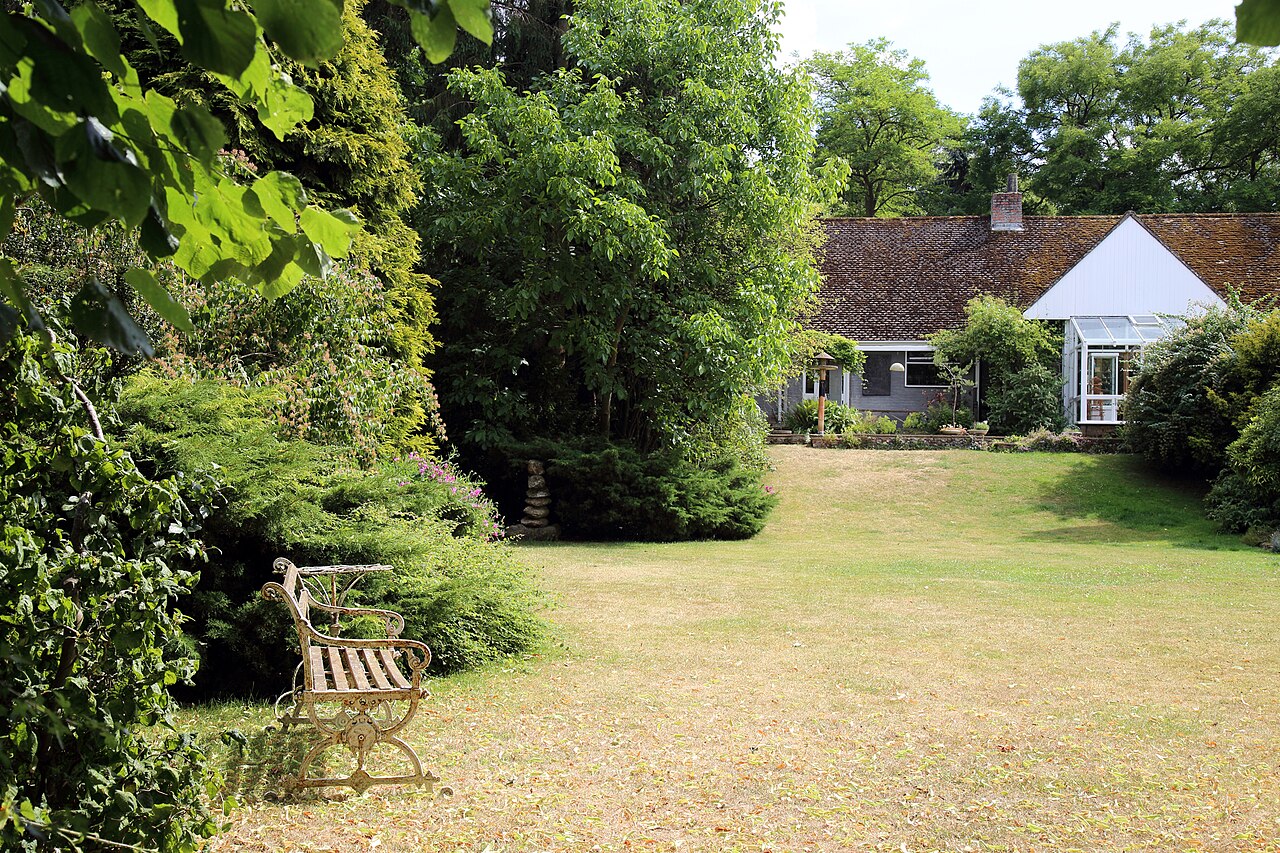
I’m Grant, and I’ve spent close on twenty years putting shelterbelts into exposed sections around Rotorua, Owhata included, ever since my own block taught me the hard way. When we first took the place on out Owhata way, the wind used to come straight across the open paddocks and flatten anything I planted before it had a chance to root in. My neighbour, who’d farmed the district for forty years, wandered over one afternoon, looked at my sad row of snapped seedlings and said, “You need a shelterbelt, mate, not sympathy.” He was dead right, and it’s the same advice I give anyone starting from scratch now. A shelterbelt is the best long-term investment you can make on an exposed rural section — get it right the first time and you’ll thank yourself for decades, get it wrong and you’ll be pulling out the wrong trees ten years on.
Why a solid fence just pushes the wind over the top
The mistake I see most often is people trying to build a wall instead of a filter. A solid barrier doesn’t stop the wind, it launches it — the wind jumps the top and slams back down in damaging swirls on the other side, sometimes worse than if you’d planted nothing. What you actually want is a permeable belt that lets maybe forty to fifty per cent of the wind through, so the air gets slowed and filtered rather than tumbling over in a wall of turbulence.
Get that permeability right and a shelterbelt gives you real protection for around ten times its height downwind. A belt that grows out to 8 metres will shelter roughly 80 metres of paddock or garden behind it. That’s the number that matters more than density — a thick, solid line of trees actually protects less ground than a well-filtered one.
The payoff is real: warmer ground, less wind stress, better pasture and stock shelter, a vege garden and orchard that stop getting hammered every few weeks, and a section that’s genuinely calmer to stand on. On a Rotorua lifestyle block, that’s often the difference between a garden that limps along and one that thrives.
Reading your own wind before you dig a single hole
Before you plant anything, go stand outside on a rough day and watch where it’s actually coming from. Around Rotorua it’s usually the westerlies causing the grief, but every block has its own pattern depending on the lie of the land, and you want the belt running across that prevailing direction, not guessed at from a map.
Boundaries, power lines, stock and warm ground
Once you know your wind, there’s a short list of practical things I check before anyone puts a spade in:
- Distance from boundaries and power lines: put tall-growing trees where they won’t end up fighting the lines or shading out the neighbour’s place — think about the tree’s mature height, not what it looks like as a sapling.
- Species mix: a two or three row belt, with a lower shrubby row on the windward side and taller trees behind, filters wind far better than a single line of one species.
- Stock and geothermal ground: fence young trees off if you’re running stock, and if you’re anywhere around Rotorua, check whether the ground’s geothermally warm — some species just won’t tolerate it.
If the belt’s anywhere near a waterway, a drain or a bore, check the regional rules before you commit to a planting line. The Rotorua Lakes Council can tell you what applies to your particular block.
What I actually plant along a belt
I mix natives and hardy exotics rather than betting on one species. For a tidier, lower-maintenance native belt, I run a backbone of tall natives with a filling row underneath. Here’s roughly how I lay it out:
| Row | Species | Job it does |
|---|---|---|
| Windward / shrub row | Pittosporum, griselinia, corokia, flax | Catches the low wind, fills gaps fast |
| Tall native row | Totara, kanuka, hardy eucalypt | Backbone height and long-term structure |
| Fast exotic option | Leyland, pines | Quick growth, but needs ongoing management as it matures |
What it actually costs
The plants themselves aren’t the expensive part — it’s the quantity you need for a proper run. Here’s what I tell people to budget for:
| Item | Typical cost |
|---|---|
| Grade-1 shelter plants (root-trainer or PB bag, bought in bulk) | $4 to $12 each, GST included |
| Short run of belt | A few hundred dollars minimum |
| Proper long belt (plants, stakes, guards) | Well over $1,000, GST included |
If you’d rather hand the design and planting over to someone else, arborist contractors around Mount Maunganui can take that on for you. And if you want the rest of the block to stay low-fuss once the shelterbelt’s in, the ideas in this guide to low-maintenance planting for Rotorua lifestyle blocks work well alongside it.
Getting them to actually take root
Plant in autumn or early winter so the roots get a run at settling in through the cooler, damper months before facing their first summer. Space them tight enough that the canopy will knit together, keep a weed-free strip around the roots so grass doesn’t choke them out, and stake and guard anything exposed to stock or wind. The first two summers are make-or-break — water through any dry spell, because that’s when young shelter trees fail if they’re left to fend for themselves. After that, a shelterbelt mostly looks after itself, bar the occasional trim to keep it dense down low where the wind actually travels.
Questions locals ask me about shelterbelts
How much does it cost to plant a shelterbelt around Rotorua? Plants run $4 to $12 each including GST for grade-1 shelter stock bought in bulk. A short run might cost a few hundred dollars, while a proper long belt with stakes and guards is typically well over $1,000 including GST.
Should I replace an old, gappy shelterbelt or just refill the gaps? If the existing belt is still mostly sound and just thin in patches, infill planting of the same or complementary species is usually cheaper and faster than starting again. A full replant is only worth it if the original trees were the wrong species for the site, or age and wind damage have thinned the belt so much it’s stopped filtering properly.
Should I plant native or exotic trees for a shelterbelt on a lifestyle block? I mix both. Natives like totara, kanuka, pittosporum, griselinia and corokia give you a tidier, lower-maintenance long-term belt, while fast exotics like leyland or pines get you height quickly but need ongoing pruning as they mature.
How far apart should shelterbelt trees be planted? Close enough that the canopy knits together within a few years — often 1 to 2 metres apart in a row for shrubby species, wider for large trees, with multiple rows staggered for the best wind filtering.
How much ground does a shelterbelt actually protect? Roughly ten times its height downwind. A belt that matures to 8 metres tall gives useful shelter for about 80 metres behind it, which is why height and permeability matter more than how solid the belt looks.