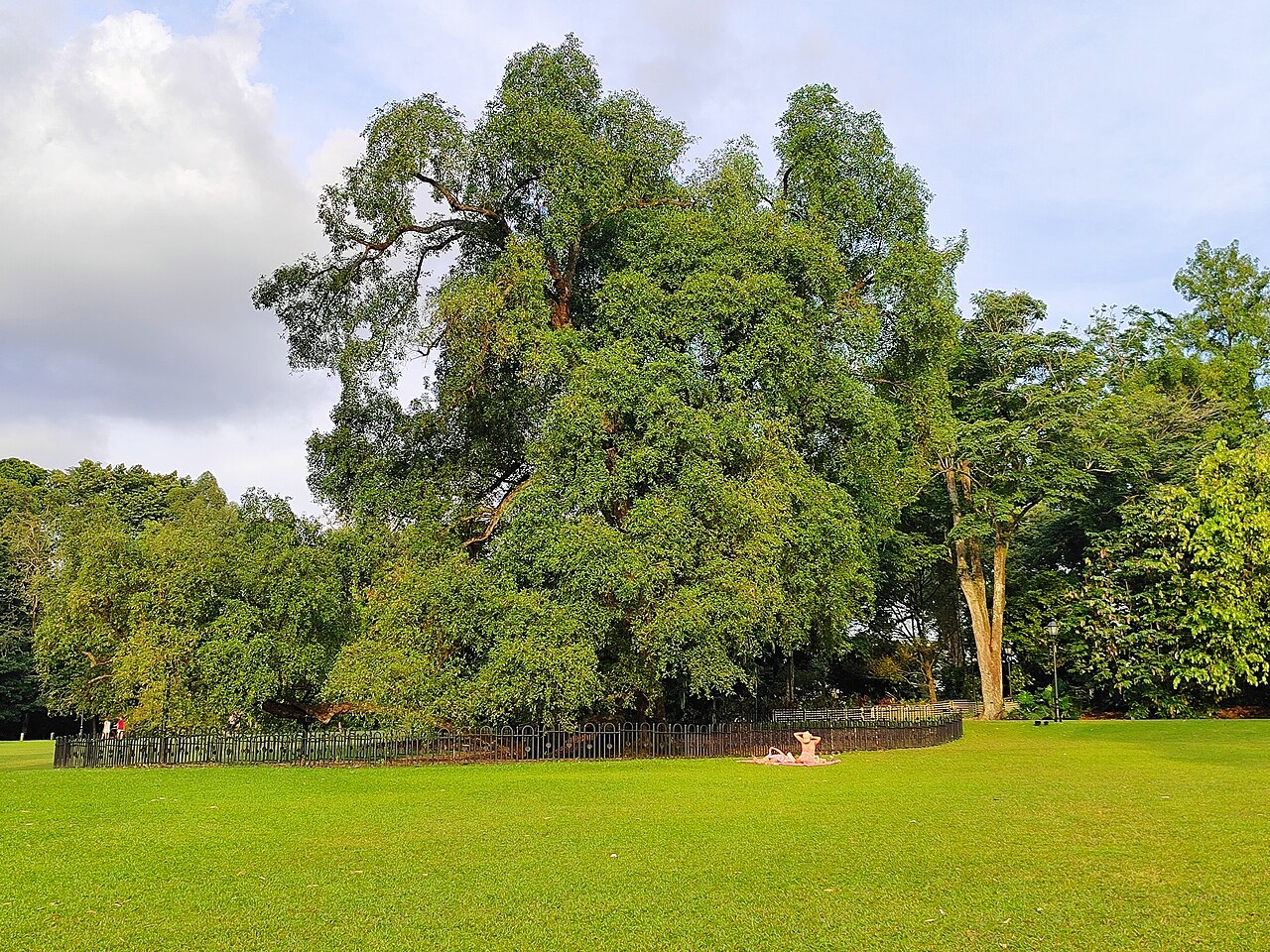
My name’s Graham. I’ve spent close to thirty years around building sites, gardens and storm clean-ups in Tauranga and the wider Bay of Plenty, and I’ve patched up enough people — and enough half-finished jobs — to have strong opinions about tree work. My daughter shifted up to Papamoa a few years back, and the first thing she learned as a new homeowner was that a big tree is a blessing until the day it isn’t.
She’s got a couple of established gums on the back boundary that throw lovely shade over the deck all summer, and then every cyclone season she lies awake listening to them creak. She rang me asking whether she could just take to them herself with a chainsaw. Short answer: no. The longer answer is why knowing when to call an arborist in Tauranga saves you money, saves you an injury, and sometimes keeps you out of a fight with the council.
Where DIY ends and an arborist’s job starts
I’ll be straight about this, because I’ve seen enough of it go wrong. Pruning small stuff, clearing low growth, tidying a hedge from the ground with a pole saw — that’s a homeowner job, no argument. The moment any of the following are true, it stops being one:
- The work needs you off the ground, up a ladder or into the canopy.
- The tree is near power lines, a fence, the house or the boundary.
- It’s a large tree — a gum, a pine, anything carrying heavy limbs.
- The tree is storm-damaged, leaning, or has a visible split or hollow.
- You’d be dropping sections that could hit something on the way down.
Tree work is one of the more dangerous jobs going, and a gum limb doesn’t care how handy you are. A qualified arborist brings the gear, the training in things like crown thinning and safe felling technique, and — critically — the insurance if it goes sideways. WorkSafe treats tree felling and pruning as high-risk work for exactly this reason. If you’re tempted to save a few hundred dollars doing it yourself, that should be the thing that stops you.
Why Papamoa’s gums are riskier than they look
Papamoa’s a fast-growing patch, and a lot of the sections are smaller than the trees planted on them decades ago. That’s the crux of my daughter’s problem, and half her street’s. Big gums on small coastal sections are a known headache around here and further along the coast toward Bethlehem: shallow roots in sandy soil, heavy canopies that catch the wind, and neighbours’ roofs well within drop range. Add the coastal exposure and high UV that stress the trees and shed dead wood you won’t notice until it’s on the lawn, and cyclone season turns all of that into real risk.
If you’ve got large gums crowding a small Bay of Plenty section, it’s worth reading beyond just the removal question — our piece on managing large gums on small sections goes into the ongoing management side, not just the one-off cut.
The council rule that catches people out
Here’s where people trip up. You can’t always remove a tree on your own land just because it’s yours and it’s annoying you. Some trees in Tauranga are protected — through the district plan, a heritage listing, or a resource consent condition attached to the section. Cut a protected tree without approval and the fines are eye-watering.
Before you book anyone, check whether your tree is protected on the Tauranga City Council website, or ask an arborist to check for you as part of the quote — a good one always will, no extra charge.
What tree work costs in Tauranga right now
Rough pricing as it stands, and useful to know before anyone quotes you:
| Job | Typical price (incl. GST) |
|---|---|
| Small to medium tree removal | $500 – $1,500 |
| Large gum or pine removal, tricky access near house or lines | $2,000 – $5,000+ |
| Crown thinning or a tidy-up prune | $400 – $1,200 |
Get two or three quotes, and make sure cleanup and cart-away are included — a pile of limbs left on the lawn is its own problem. Some jobs also need deadwooding or a stump grind once the main removal’s done, so ask whether that’s in the price or separate.
Don’t chase the cheapest number. Ask whether they’re qualified, whether they carry public liability insurance, and whether they’ll sort traffic management if the truck’s blocking the road. Established local Tauranga arborists have all that sorted and won’t blink at being asked. The bloke quoting cash out of a ute with a borrowed chainsaw is the one who ends up on your roof — and not in a good way.
Questions I get asked about this
Do I need council permission to remove a tree in Tauranga? Sometimes. Trees protected through the district plan, a heritage listing or a resource consent condition can’t be removed without approval, and the fines for breaching that are steep. Check the tree’s status on the Tauranga City Council website or have your arborist confirm it before any work starts.
How much does tree removal cost in Tauranga? A small to medium tree runs about $500 to $1,500 including GST. A large gum or pine, particularly near the house or power lines, is more like $2,000 to $5,000 including GST, sometimes more for a genuinely tricky dismantle. Always confirm cleanup and cart-away are part of the quote, not an extra.
Can I remove a large gum myself to save money? No. Any work off the ground, near structures or power lines, or involving a large or storm-damaged tree is high-risk and belongs with a qualified, insured arborist. The savings aren’t worth the injury risk or the liability if a fence, roof or the neighbour’s shed gets hit on the way down.
Should I repair storm damage or just remove the tree? Depends what’s left. A gum with a clean split through a major limb, a visible hollow, or roots lifting near the base is usually past saving safely — removal is the honest call. A tree that’s just lost a branch or two can often be tidied and monitored. Either way, it’s the kind of judgment call worth getting an arborist out for before you decide, rather than after.