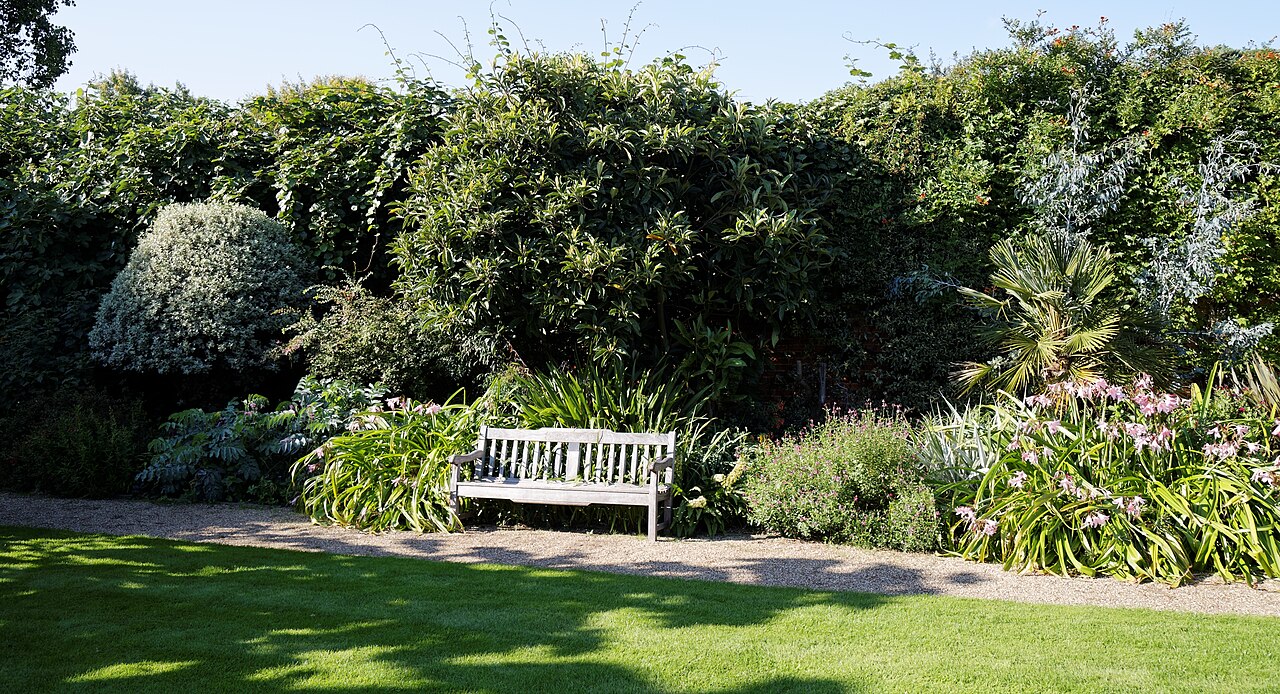
A woman rang me last autumn about a row of dead-looking pittosporum along her fence line in Island Bay. She was certain it was disease. I drove down after finishing a job further round the coast, had a look, and it wasn’t disease at all — it was salt burn, the result of a solid week of southerlies coming straight off Cook Strait. That’s the thing about Wellington’s south coast. It isn’t just windy, it’s windy and salty, and the two together will humble a garden that would thrive almost anywhere else.
I’m a Bay of Plenty arborist by trade, and most of my regular work is well north of here. But coastal exposure is coastal exposure wherever you find it, and after enough seasons sorting out wind and salt damage on exposed sections, I can tell you Island Bay — and the run of suburbs around it, Houghton Bay, Owhiro Bay, and round to Lyall Bay — is about as tough a test as a garden gets in this country.
Salt and wind are two separate problems, not one
Down on the south coast you’re dealing with two forces at once. Wind physically shreds soft growth and dries plants out faster than the roots can keep up with. Salt, carried in on the spray and the southerly, burns foliage directly and also builds up in the soil over time. Put the two together and you get the classic Island Bay look: plants scorched brown on the seaward side, leaning inland, stunted along the top like they’ve been clipped with shears.
Once you see it as two separate problems rather than one mystery ailment, the fix stops being about spraying for disease and starts being about working with the environment instead of fighting it.
Get the shelter in before you plant anything soft
The single best move on an exposed south-coast section is establishing a windbreak before you touch the pretty stuff. I always tell people to think in layers:
- A tough outer line that takes the brunt — ngaio, taupata (coastal karo) or akeake, all of which shrug off salt and wind.
- A middle layer of flax, hebe and coastal grasses to slow the wind down further.
- The softer, more decorative planting tucked in behind, where it’s finally out of the worst of it.
A permeable fence or slatted screen earns its keep here too. A solid fence just creates turbulence on the leeward side, which can do nearly as much damage as the open wind it was meant to stop. This layered shelterbelt approach holds across most of the region, not just the coastal fringe — I’ve gone into the general principles in more depth in landscaping a windy Wellington section.
What actually survives on an exposed south-coast section
After years around coastal jobs, this is the shortlist I trust once you’re properly exposed to salt and southerlies:
| Plant | Role in the layout | Why it holds up |
|---|---|---|
| Ngaio | First line / outer shelter | Genuine coastal native, fast-growing and forgiving of salt spray |
| Taupata & coastal karo | Outer shelter, hedging | Glossy, salt-tough foliage that copes with constant wind |
| Harakeke (flax) & toetoe | Middle layer | Bombproof, binds sandy soil, handles salt without fuss |
| Coastal hebe & muehlenbeckia | Low ground cover | Hardy and low, good for filling gaps once sheltered |
| Pōhutukawa | Feature tree | The classic coastal choice, but needs room and keeping off drains |
What I’d steer clear of on the exposed side, at least until shelter is established: soft-leaved ornamentals, most fruit trees, and anything with thin foliage that browns at the first hint of salt.
Sandy soil and thirsty young roots
Soil near the Island Bay coastline is often thin and sandy, which means it drains fast and holds onto very little goodness. Digging in compost and mulching heavily helps it hold moisture and slowly buffers the salt that builds up over a windy winter. Give new plantings a deep water during dry spells for their first two summers — young roots simply can’t chase moisture down the way an established plant’s can, and that’s usually where a good windbreak planting scheme fails in year one.
When a big coastal tree needs more than admiration
I’ll always bang on about safety around bigger coastal trees. Pōhutukawa and macrocarpa on the south coast take a hammering, and constant wind loading can leave weak unions and dead limbs that you simply won’t spot from the ground. This is where a proper tree risk assessment earns its money rather than being a nice-to-have. Wellington’s official rules on tree work and hazards around properties are worth checking, and Building Performance keeps useful guidance at Building Performance. If a big tree overhangs the house or the footpath, get it inspected rather than waiting for the next southerly to make the decision for you.
What it actually costs in 2026
People want a number before they’ll commit to any of this, so here’s roughly where jobs land:
| Work | Typical cost (incl. GST) |
|---|---|
| Shelter planting & soil prep, small-to-medium section | $3,500 to $8,000 |
| Slatted wind screen, installed | $300 to $600 per metre |
| Assessment or remedial work on a mature coastal tree | $500 to $1,500 |
The range on the shelter planting mostly comes down to how much windbreak the section actually needs. Spend the money on shelter first — the rest of the garden effectively pays you back once it’s properly protected.
Questions locals ask me about Island Bay gardens
Why do my plants keep dying on the seaward side only? Nearly always salt burn combined with wind desiccation off the southerly, not disease. The seaward face cops the spray and the constant drying wind, so it scorches first. The fix is tougher, salt-tolerant species and a proper windbreak on that side of the section.
Should I pull out storm-damaged shrubs or wait and see? If the damage is limited to burnt foliage after a bad southerly, I’d usually wait — most salt-tolerant natives push new growth once the weather settles. If the wood itself is dead or the plant’s been leaning and shredded for more than a season, it’s not coming back, and replacing it with something from the tough outer-layer list saves you repeating the exercise next winter.
What’s the toughest plant for an exposed Island Bay section? For a first line of defence I’d back ngaio, taupata or flax. They handle salt, wind and thin coastal soil far better than ornamentals, and once established they shelter everything planted behind them.
Do I need a solid fence to block the wind? No — a solid fence often makes things worse by creating turbulence on the leeward side. A permeable or slatted screen that lets some wind filter through gives calmer, more even protection for whatever you’re growing.
How much does a coastal windbreak cost in Wellington? For a small-to-medium Island Bay section, shelter planting and soil prep typically runs $3,500 to $8,000 including GST, and a slatted wind screen adds roughly $300 to $600 per metre installed. Exposed corners facing straight into the southerly usually push toward the higher end.