A few years back I picked up a rental in Papamoa, one of the new subdivisions that keeps marching east along the Bay of Plenty coast. The section came with a standard concrete driveway, and the first proper downpour showed me exactly why the neighbours had been grumbling: sheets of water running straight off every hard surface, down the street, and pooling at the bottom of the cul-de-sac. That sent me down the permeable paving rabbit hole, because whenever I’m redoing a driveway I want to know whether the extra spend actually earns its keep, not just whether it sounds green.
Permeable paving gets sold as the environmentally responsible choice, and fair enough, it is. But I don’t spec materials because they’re virtuous, I spec them because the numbers stack up. Here’s my honest read on whether permeable paving is worth it in a high-rainfall region like the Bay of Plenty, after weighing it up for that Papamoa job.
What permeable paving actually is
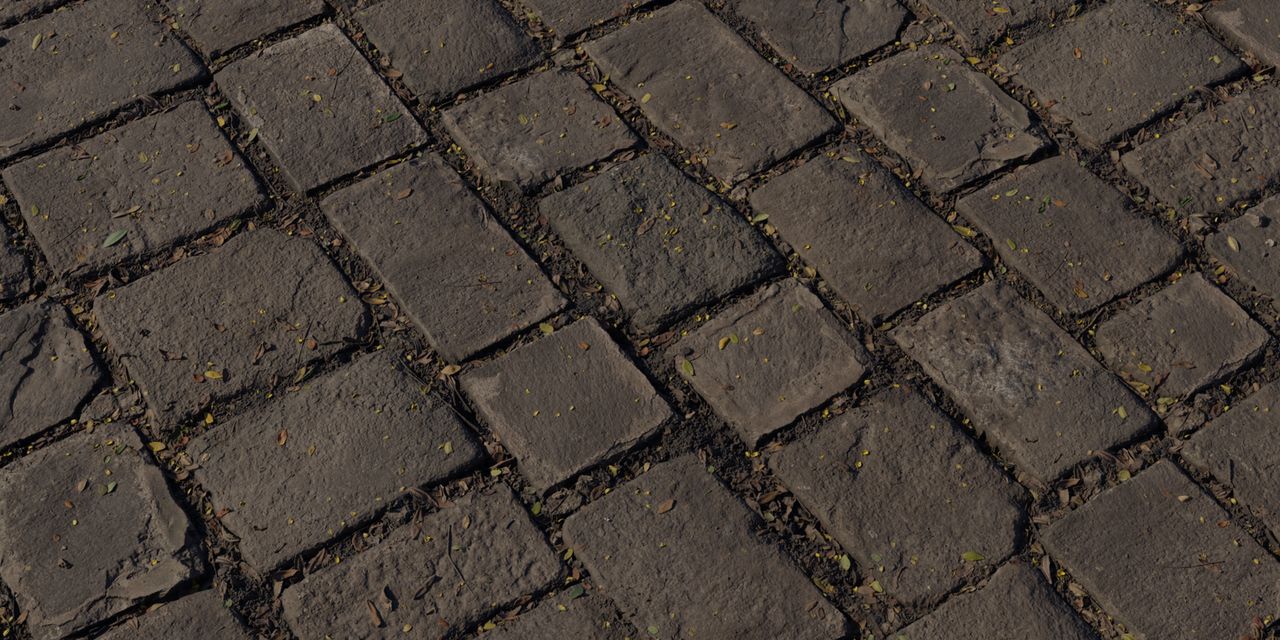
Instead of a solid slab that sheds every drop straight to the gutter, permeable paving lets water soak through the surface into a deep base of open-graded gravel, then away into the ground. The main options I see are permeable concrete pavers with gaps between them, porous asphalt, and poured permeable concrete.
The surface gets all the attention, but the base is what actually does the job. Skip the base and you’ve just paid a premium for a driveway that clogs and puddles like any other.
Why the base matters more than the surface
A proper permeable system needs 300 to 450mm of clean, open aggregate underneath to store water while it soaks away. That depth is non-negotiable — it’s the difference between a driveway that actually drains for years and one that looks the part for a season before it starts ponding again. If a quote skimps on base depth to hit a lower price, that’s the corner being cut.
What each surface actually costs
Here’s roughly what I’ve seen for a standard two-car driveway, all GST-inclusive:
| Surface | Cost per m² |
|---|---|
| Plain concrete | $120–$180 |
| Exposed aggregate | $150–$220 |
| Permeable pavers | $180–$280 |
The permeable figure runs higher mostly because of the deeper base and the extra excavation it takes to get there.
Scaled up to a 50 square metre driveway, that’s roughly:
- Plain concrete: $6,000 to $9,000
- Permeable pavers: $9,000 to $14,000
That’s a real gap, $3,000 to $5,000, and I’m not going to pretend it isn’t. The question is what you get back for it.
When I’d pay the premium
For me it comes down to three things.
First, does the section actually flood or pond? On flat Papamoa sand, drainage is often fine already, so permeable paving can end up solving a problem you don’t have. On heavier ground, or a section where runoff pools against the house or floods the neighbour, it’s a different story — permeable paving can work out cheaper than the alternative, which is trenching in separate sumps and stormwater drainage.
Second, are council rules pushing you that way? Some newer subdivisions have stormwater controls limiting how much impervious surface you can add, and permeable paving can be what gets a driveway consented at all. Worth checking stormwater and consent requirements early — the Tauranga City Council sets out how stormwater is managed across the growing eastern suburbs, Papamoa included.
Third, what’s the alternative actually going to cost me? If I’d need to trench in drainage and a sump regardless, the permeable premium starts looking like good value because it’s doing two jobs at once — surface and soakage. If drainage genuinely isn’t an issue, I’ll usually bank the saving and put in a conventional driveway instead. If you’re weighing up surfaces on a rural or lifestyle block rather than a subdivision section, concrete, asphalt or chip seal for rural driveways is a decent rundown of those trade-offs.
My call on Papamoa sand versus everywhere else
On free-draining coastal sand, I’ve generally gone conventional and spent the saving elsewhere on the job. But on a section with a genuine ponding or runoff problem, or where a subdivision’s stormwater rules demand it, permeable paving earns its premium because it replaces separate drainage work rather than sitting on top as an extra cost. Buy it to fix a real water problem, not as a feel-good upgrade, and the maths works in your favour.
Questions I still get asked about this
How much more does permeable paving cost than a standard concrete driveway? Expect around $180 to $280 per square metre including GST for permeable pavers, against $120 to $180 for plain concrete. On a 50 square metre driveway that’s a premium of roughly $3,000 to $5,000, mostly down to the deeper aggregate base and extra excavation.
Is permeable paving worth it in the Bay of Plenty, or should I stick with concrete? It earns its keep where a section floods or ponds, or where subdivision stormwater rules cap hard surfaces, because it can replace separate drainage work. On free-draining coastal sand around Papamoa that already sheds water well, a conventional concrete or exposed aggregate driveway usually makes more financial sense.
Does permeable paving need council consent? The paving itself usually doesn’t trigger building consent, but stormwater and impervious-surface controls in some newer subdivisions can affect what you’re allowed to lay. Check the requirements with Tauranga City Council before locking in a design, especially if the section is part of a recent subdivision with its own stormwater conditions.