Grant here — I’ve spent forty years on the tools around Wellington, most of it up on the hill sections around Karori, Northland and the western suburbs. Every spring my neighbour up the hill in Karori leans over the fence and asks me the same thing: why does half of what she plants end up brown and shredded by Labour Weekend? It’s never the plant’s fault. It’s the wind. I’ve watched more nice gardens get flogged to death by a nor’wester or a raw southerly than by any frost or dry spell. If you’re landscaping an exposed section here, you plan for the wind first and the pretty bits second. Get that order wrong and you’re just donating money to the garden centre.
The wind does more damage than any frost we get
People move up from Christchurch, or over from Australia, and reckon they know wind. They don’t, not this kind. What comes through Karori and the Northland hills is relentless. The southerly comes straight off Cook Strait with salt riding in it, and the nor’wester funnels through the gullies and dries everything out by lunchtime. New growth doesn’t get burnt in one big storm — it gets nibbled away over weeks, and the roots never get a chance to settle because the plant is rocking in the ground every single day.
How I break the wind before I plant anything
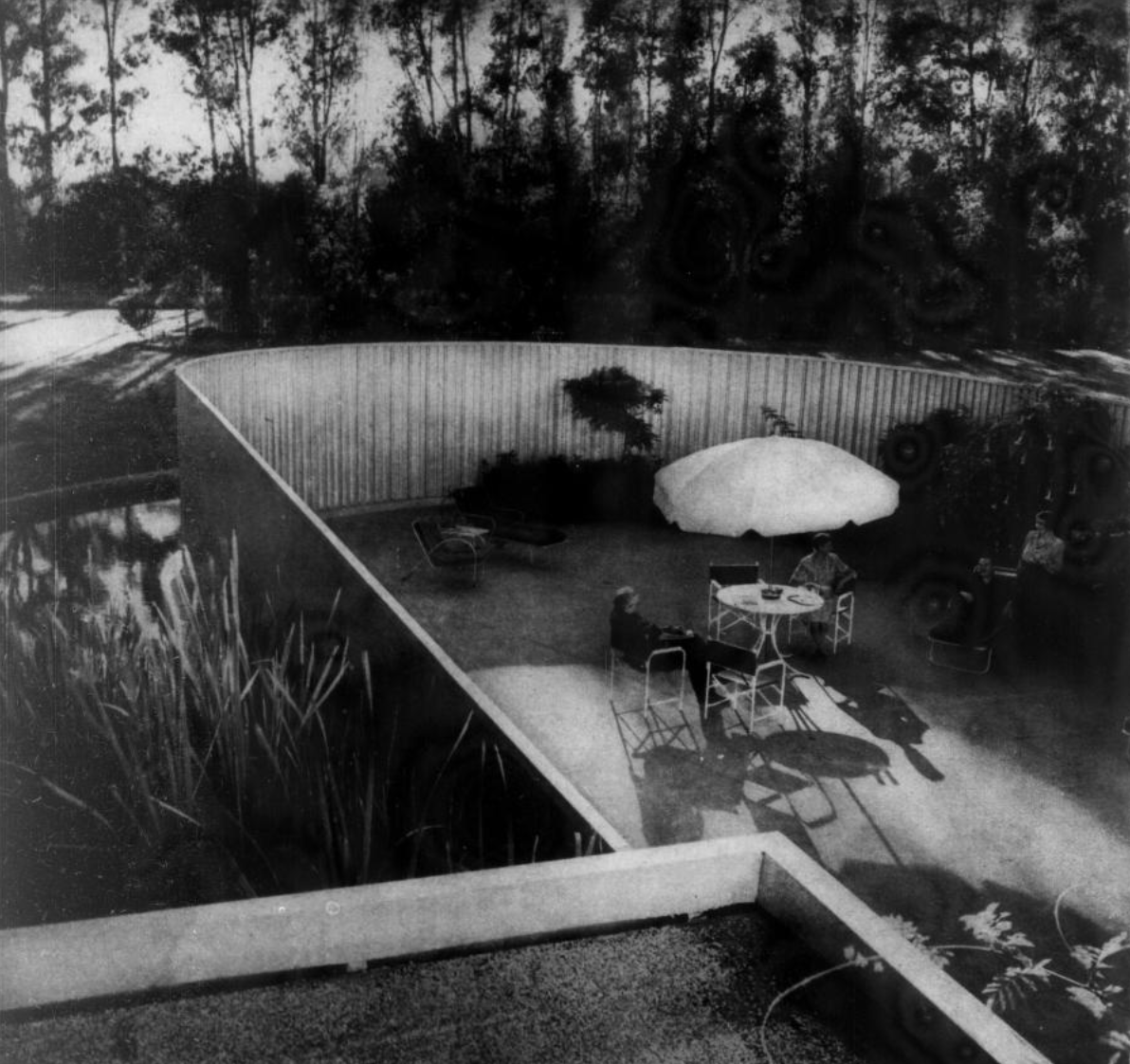
The first job on a windy section isn’t planting — it’s shelter. You break the wind before you try to soften it. That might be a slatted fence, a solid-but-permeable screen, or a first line of tough shrubs that take the hit so the good stuff behind them has a chance. Funnily enough, a solid wall is often worse than a slatted one, because the wind just rolls over the top and drops down hard on the other side. You want to filter the wind, not stop it dead, or you’ve traded one problem for a worse one.
What actually survives on an exposed Wellington section
I stopped fighting these sites years ago and started working with them instead. This is what holds up on a Wellington hill section, in my experience:
- Corokia and hebe — tough, wind-tolerant hedging that won’t sulk in salt air.
- Flax (harakeke) and toetoe — good structure on a bank; they bend, they don’t break.
- Griselinia (broadleaf) — my go-to for a fast, dense shelter hedge that handles coastal exposure.
- Coprosma and pittosporum — solid second line once you’ve got some shelter established.
- Muehlenbeckia and low natives — for banks where you’d otherwise be trying to mow on a slope you shouldn’t be near with a mower.
What I tell people to go easy on: soft-leaved exotics, standard roses out in the open, and anything sold as “fast-growing screening” that’s really only fast in a sheltered Auckland backyard. If the tag doesn’t say coastal or wind-hardy, assume it isn’t, no matter how good it looks in the pot.
Sort the clay and the slope before you buy a single plant
A lot of the hill sections around here are clay over rock, and after a wet Wellington winter that clay holds water like a bucket. A plant that drowns in July won’t be around to fight the wind in November. Before anything goes in, I dig a test hole and fill it with water — if it hasn’t drained away in a few hours, you’ve got a drainage job first, not a planting job. On a slope, that usually means some terracing or a low retaining line to hold the soil and slow the runoff. If you’re already thinking about levels and banks, it’s worth a read of this piece on coastal landscaping in Island Bay — the salt-and-wind lessons from the south coast carry straight across to the western hills.
For anything structural on a slope, check the rules before you touch a spade. The Greater Wellington Regional Council has decent, plain-English guidance on erosion and earthworks near watercourses — worth a look at the regional council site before you move any real volume of dirt on a steep section.
Retaining, drainage and the point where you call someone in
I’ll always tell a fit homeowner to get stuck in with a spade first. But there’s a point where a weekend job turns into a retaining and drainage job, and that’s where people come unstuck. If you’re regrading a bank, building a retaining wall over about a metre, or trying to establish a garden on a section that’s been sitting bare and beaten flat for years, it’s usually cheaper long-term to bring in a Wellington landscaping team to sort the bones of the section first. Get the levels, drainage and shelter right once, and you’ll be planting into it happily for the next twenty years instead of replanting the same dead bed every summer.
Rough numbers, Wellington rates as I write this:
| Item | Typical cost (incl. GST) | Notes |
|---|---|---|
| Slatted shelter fence | $350–$550 per metre | Installed on a slope |
| Planted shelter bed | $150–$250 per square metre | Good-sized grades, properly prepared |
Neither figure includes drainage or retaining work if the site needs it — that gets priced separately once we know what the clay’s doing. It’s not cheap. But it’s a lot less than replanting the same dead garden three summers running, which is what I see happen when shelter and drainage get skipped to save a bit up front.
Things people ask me before we start digging
What’s the most wind-hardy plant for a Wellington section? Griselinia (broadleaf) is my first pick for a fast, dense shelter hedge, with flax and hebe close behind. All three handle salt-laden southerlies and won’t shred in a nor’wester the way softer exotics do.
Should I put up a solid fence or a slatted one for wind shelter? Go slatted or permeable. A solid fence sends the wind rolling over the top and slamming down on the other side, so you end up with turbulence instead of shelter. Filtering the wind protects young plants far better than trying to block it outright.
Is it better to repair a struggling garden or start again on a windy section? If the shelter and drainage were never sorted, patching individual dead plants just repeats the problem. Put the money into a shelter line and a test-hole check on drainage first — once that’s right, most sections only need replanting once.
How much does it cost to landscape a windy hill section in Wellington? Budget roughly $150–$250 per square metre including GST for a properly prepared and planted shelter bed, and $350–$550 per metre including GST for shelter fencing installed on a slope. Drainage or retaining work, if the site needs it, is on top of that.