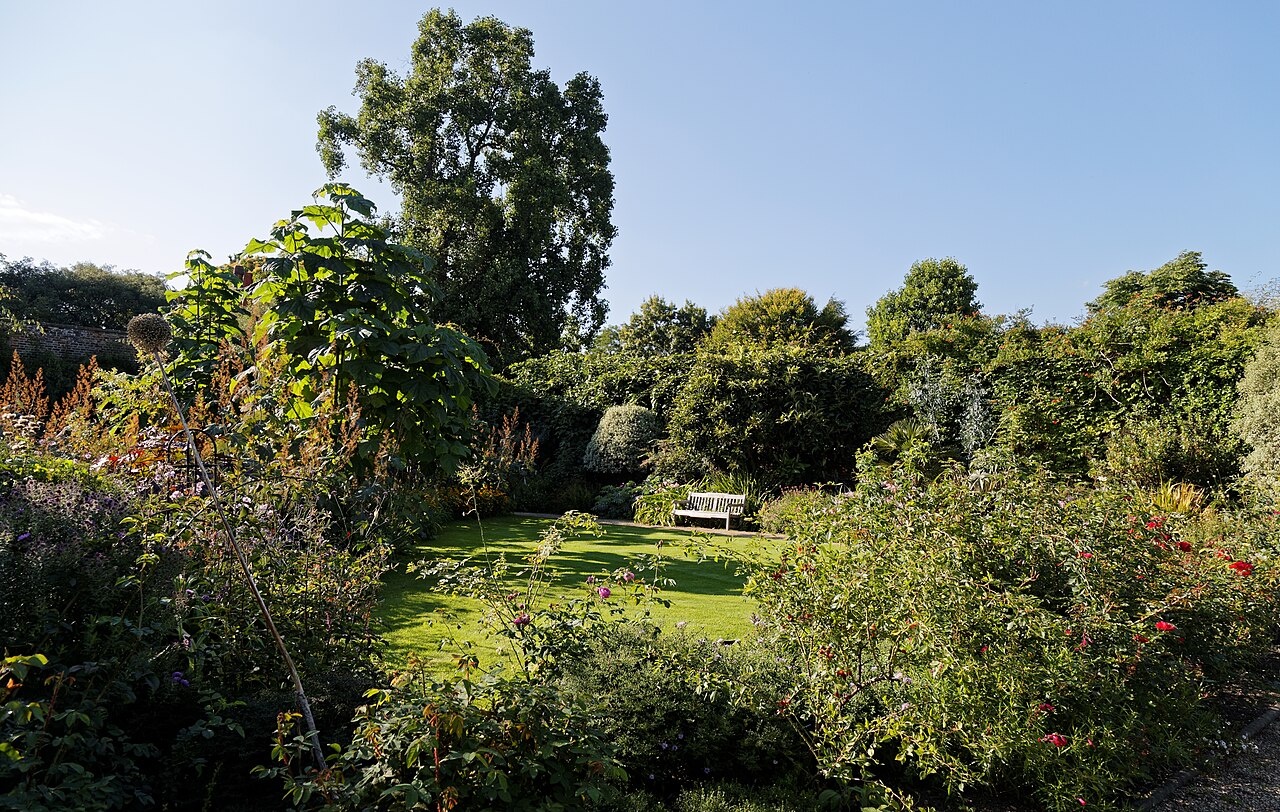
A cousin of mine bought a place out in Bethlehem, on the edge of Tauranga, with a couple of big established trees on the section. First thing he wanted to do was drop one of them for a bit more sun on the deck. I’ve spent enough years around Tauranga properties and building sites to know that’s exactly the kind of decision that ends with a letter from the council instead of a sunnier afternoon, so I told him to check the rules before he so much as bought a chainsaw. Good thing he listened, because tree protection is one of those areas where a well-meaning weekend job can land you a fine that dwarfs anything I’ve ever priced on a reno. We sat down and did the reading together, so here’s the plain-English version of what we found.
A tree doesn’t have to look special to be protected
A protected tree isn’t one you can prune hard or fell whenever it suits you. That protection can come from a few different directions, and none of them care how the tree actually looks:
- Trees listed as notable or scheduled in the district plan, protected individually by name and location.
- Trees sitting within certain zones or overlays where blanket rules apply.
- Trees protected by a covenant or a condition written onto the property title.
My cousin’s tree looked like any other big old tree on any other section. That’s the trap. The protection attaches to the tree and the site, not to how impressive it looks from your deck, so “it’s just a tree” isn’t a defence anyone’s going to accept.
Where I told him to check before anyone picked up a saw
Before touching branch one, run through these checks. It costs nothing but a bit of time:
- Read your property’s record of title and any covenants for tree conditions.
- Check the district plan’s schedule of notable trees for your address.
- Look at the zoning and any overlays that apply to your section.
- If you’re still unsure, ring the council and ask directly.
The Tauranga City Council can confirm whether a specific tree is scheduled or sits inside a protected area. I’d always get the answer in writing if you can, so there’s no argument down the track. Five minutes on the phone is a lot cheaper than getting it wrong.
What’s allowed without a fight, and what needs consent
Even with a protected tree, you’re not usually stuck doing nothing. Minor maintenance, removing genuinely dead or dangerous limbs, and safety work are often permitted, though you may still need to notify the council or get sign-off first. What you generally can’t do without resource consent is fell a protected tree, top it, or carry out heavy pruning.
If a tree is actually dangerous, that’s a different conversation and you can often move faster, but you still want the situation documented by someone qualified. This is where an arborist report earns its fee rather than being a box-ticking exercise. We cover when that step is worth taking in our guide on when you need an arborist in Tauranga, and honestly, for anything protected, I’d get one involved from the start rather than after the fact.
What doing it properly actually costs
Doing this by the book isn’t free, but it’s a lot cheaper than the alternative. Rough figures, all including GST:
| Step | Typical cost |
|---|---|
| Arborist report on tree health and safety | $400 – $1,200 |
| Resource consent application to remove or heavily prune a protected tree | $1,000 – $3,000 or more in council and consultant fees |
| Professional removal of a large tree once approved | $1,500 – $6,000, depending on size and access |
For anyone in Bethlehem working through this process, getting quotes from arborist contractors around Bethlehem early on gives you firm costs and realistic timelines before you approach the council, rather than guessing and having to redo the paperwork.
Why the consent fee is the cheap option
Compare that table to the fines for illegally removing a protected tree, which can run into the tens of thousands of dollars, and the maths isn’t close. My cousin grumbled about the consent cost. He’d have grumbled a lot louder about a five-figure penalty and a tree he could never get back. Sand and lime are cheap; a hundred-year-old tree isn’t something you can just re-order, and neither is the fine for taking one out without asking.
My honest advice
Don’t guess, don’t let a keen mate with a chainsaw talk you into a Saturday job, and get everything in writing before anyone touches a branch. Trees take decades to grow, and the rules exist because plenty of people would happily clear-fell a section for a better view given the chance. Work with the council and a qualified arborist on any notable or scheduled tree, and you’ll sleep a lot easier than my cousin did before he made that phone call.
Questions I get asked about protected trees around Tauranga
How do I find out if a tree on my Bethlehem or Tauranga property is protected? Check your record of title for covenants, look at the district plan’s schedule of notable trees, check your zoning and overlays, and ring Tauranga City Council to confirm. Get the answer in writing where you can.
Can I prune a protected tree myself, or does it need to come out entirely? Genuine safety work and minor maintenance are often fine, sometimes with council notification. Felling, topping, or heavy pruning of a scheduled tree almost always needs resource consent and, ideally, an arborist’s assessment first.
How much does it cost to legally remove a protected tree in Tauranga? Budget roughly $400 to $1,200 for an arborist report, $1,000 to $3,000 or more for the resource consent, and $1,500 to $6,000 for the actual removal once approved, depending on the tree’s size and access.
What happens if I cut down a protected tree without permission? You can face fines running into the tens of thousands of dollars, far more than the cost of an arborist report and a consent. It’s always cheaper to check first and do it properly. The same thinking covers hard surfaces near a protected tree — a Tauranga concrete contractor should be checking the drip line before any driveway is poured.