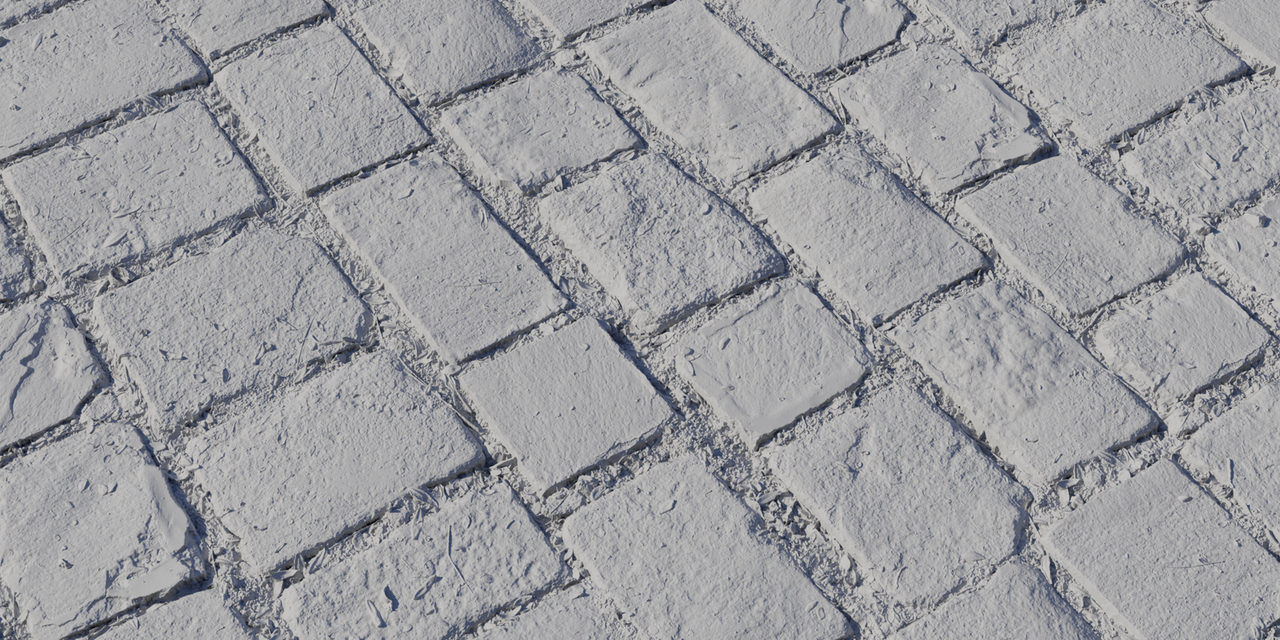
My name’s Grant, and after the better part of twenty years dropping trees and running a digger around the Manawatū, I still spend a fair chunk of my time sorting out driveways before I can even get a chipper or a truck onto a block. I’ve bogged a tip truck in a paddock more than once, and out past Terrace End, where the plain runs long and flat, I’ve watched plenty of owners agonise over the same call: concrete, asphalt or chip seal for that long rural run. There’s no single right answer, but there is a right answer for your block, and it comes down to length, budget, and how the ground behaves underneath.
Concrete, asphalt or chip seal — what each one’s actually built for
Each surface has a job it does well, and picking the wrong one for the length of driveway you’ve got is the mistake I see most often:
- Concrete — the toughest, longest-lasting and lowest-maintenance option, but by far the dearest per square metre. Best for shorter runs, steep sections and heavy vehicle traffic.
- Asphalt (hotmix) — a smooth, sealed surface at a middle price. Good for medium runs, but it softens in real heat and needs a sound base underneath it.
- Chip seal — the classic Kiwi rural driveway. Cheapest by a mile over long distances, easy to patch, and it grips well. It’s rougher underfoot and needs resealing over time.
Why the ground out here catches people out
Out on the plain the ground is often deep alluvial silt. It’s flat, but it isn’t always firm, and it holds water — a driveway is only ever as good as the base sitting under it. I’ve seen brand-new concrete crack within a couple of winters because someone poured it straight onto soft, undrained ground and skipped the hardfill and compaction. I’ve watched the same thing play out on blocks around Ashhurst and Bunnythorpe, where the ground looks solid enough in summer until a wet July proves otherwise.
Wind and rain are the other factor the Manawatū throws at you, so drainage along the edges of the driveway matters just as much as the surface itself. Get the crossfall and the culverts right, or you’ll be out there fixing washouts every spring. If concrete’s the one you’re leaning toward, I’ve gone into local pricing and finishes in more depth in concrete driveway costs in Palmerston North.
What it costs to put one in
Rough 2026 figures for a rural Manawatū driveway, supplied and laid over a prepared base, GST included:
| Surface | Cost per m² (incl. GST) | Best suited to |
|---|---|---|
| Concrete | $120–$180 (exposed aggregate $150–$220) | Short runs, steep sections, heavy vehicles |
| Asphalt (hotmix) | $90–$140 | Medium-length runs on a sound base |
| Chip seal | $30–$60 | Long rural runs, farm and lifestyle-block access |
On a 150-metre rural driveway, the gap between chip seal and concrete can easily run into the tens of thousands of dollars, which is why length usually decides it before anything else gets a look-in. Add base preparation and drainage on top of those figures too — that’s where corners get cut and where problems start.
How I’d call it for your block
If you asked me straight up, here’s how I’d sort it:
- Long flat run to a lifestyle block: chip seal, every time. Affordable, grippy, and easy to top up as it wears.
- Short driveway or a steep pinch near the road: concrete, for the grip and durability where it actually counts.
- Something in between that you want smooth and tidy: asphalt, provided the base underneath is done properly.
Whatever you land on, keep large trees and their roots well clear of the edges. Poplars, willows and shelterbelt gums will lift and crack any surface given enough time, and I’ve pulled roots out from under chip seal that had travelled ten metres to get there.
Get the base right or nothing else matters
No surface saves a bad base. You want the topsoil stripped, a good depth of compacted hardfill, and proper drainage sorted before a single load of concrete or seal turns up. For traffic and access safety on rural property, WorkSafe has sensible guidance worth a read at WorkSafe New Zealand, especially if trucks, stock or machinery will share the same access. A wide enough, well-drained driveway isn’t just convenient — it’s what keeps everyone using it safe.
What people ask me on site
Which is cheapest for a long rural driveway? Chip seal, comfortably. At roughly $30 to $60 per square metre including GST it costs a fraction of concrete over a long run, which is exactly why it’s the standard on Manawatū lifestyle blocks and farm access tracks.
Will concrete crack on soft Manawatū ground? It can, if the base is poor. Concrete needs a well-compacted hardfill base and good drainage underneath it, especially on the water-holding silts out on the plain. Done properly it lasts decades; poured straight onto soft ground it can crack within a couple of winters.
Can a damaged driveway be patched, or does it need a full redo? Depends on the surface. Chip seal patches well — feathering a worn or cracked section back in is a normal, cheap part of owning one. Concrete is a different story: once a slab has cracked from a poor base, patching rarely holds for long, and you’re usually looking at cutting out and repouring that section, or the whole run if the base failure is widespread.
How often does chip seal need resealing? Expect to reseal a chip-seal driveway roughly every seven to ten years, sooner if it carries heavy traffic. Patching worn spots as they appear is cheap and stretches that out, which is part of why chip seal is so forgiving on rural blocks. Concrete swaps that recurring cost for a larger one up front, which is the trade a Hamilton concrete driveway contractor will walk you through on a long rural run.