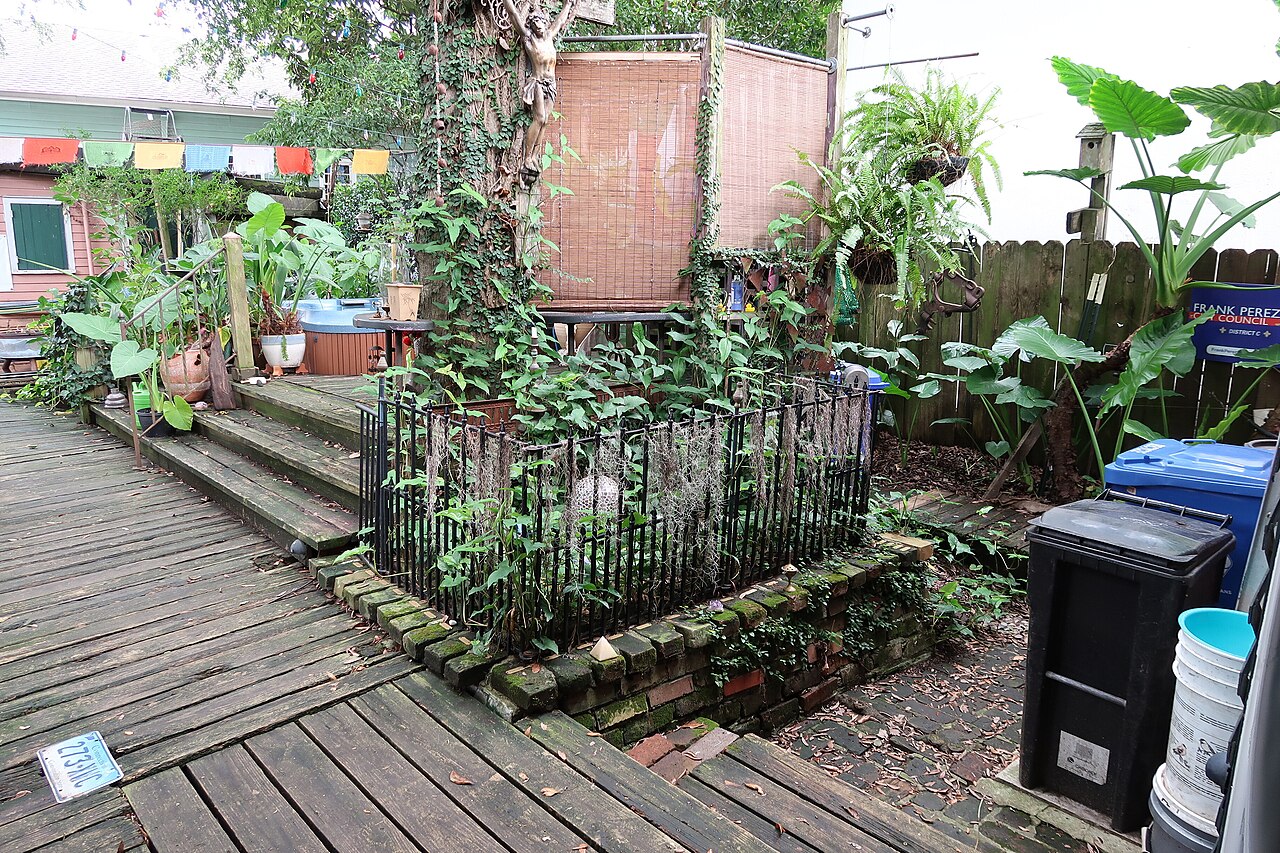
I’m Dave, and I’ve spent close to eighteen years building and repairing decks around Papamoa and the wider Bay of Plenty coast. Every summer I get asked the same thing, usually while we’re standing on a deck that’s gone silver and splintery after a few seasons under that fierce Papamoa sun: “should we have gone composite?” Timber and composite both hold up fine out here, but they age in completely different ways, and the right answer really comes down to how much time you want to spend on your knees with a sander. Here’s how I talk it through on site.
Why Papamoa’s UV is harder on a deck than most people expect
New Zealand UV runs stronger than most of the world at the same latitude, and Papamoa cops it full whack — no shade to speak of, and salt in the air off the beach on top of that. That does two things at once. It bleaches and dries timber faster, opening up checks and splits, and it fades cheaper composite boards that don’t have a proper UV-stable cap. So the high-UV factor doesn’t just favour one material over the other — it raises the stakes on whichever one you pick. NIWA publishes the UV data for the region if you want to see just how high our summer index climbs; it’s eye-opening once you see the numbers next to a deck that’s only two years old.
Timber decking: still the honest all-rounder
I still love a timber deck. Kwila, vitex, garapa or a good treated pine all look warm and sit right against a Kiwi home. The catch out here is maintenance, and I tell people this straight up before they commit:
- Oil or stain every year in this UV, sometimes twice on the sun-facing side, or the timber greys and roughens fast.
- Hardwoods like kwila leach tannins for the first season, which can stain paving underneath if you haven’t allowed for it.
- Expect some movement as boards dry out — the odd cupped board, the odd popped fixing, nothing dramatic but it happens.
Composite decking: pay more now, sand less later
Composite is a mix of recycled timber fibre and plastic with a capped, UV-stable surface. On a hot Papamoa section the appeal is obvious — no oiling, no splinters, no annual sand-back. The trade-offs are just as real though:
- It gets hot underfoot. A dark board in full afternoon sun can be too hot for bare feet, so go lighter in colour this close to the beach.
- Quality varies hugely. A cheap uncapped board fades and stains within a couple of summers; a good capped one holds its colour for 20-plus years.
- Higher upfront cost, offset over time by near-zero ongoing maintenance.
What it actually costs in the Bay in 2026
The sand, the fixings, the labour — none of it is cheap, and I’d rather give you honest numbers than a “call for a quote” line. Here’s roughly where things sit, supplied and built, including GST:
| Decking option | Supply & build cost | Ongoing upkeep |
|---|---|---|
| Treated pine | $350–$550 per m² | $200–$500 per year (oil/stain) |
| Hardwood (kwila, vitex, garapa) | $550–$850 per m² | $200–$500 per year (oil/stain) |
| Composite, capped & UV-stable | $450–$900 per m² (brand-dependent) | Effectively none |
Over 15 years the composite option often works out even or cheaper than timber once you tally up the oil, the gear, and the weekends you didn’t spend maintaining it. If you want the fuller breakdown across both options, I’ve gone deeper into how much a new deck costs in provincial NZ.
Which one suits a coastal Bay of Plenty section?
My rough rule: if you genuinely enjoy the ritual of oiling a timber deck and love the look of real wood, go timber and commit to the yearly upkeep. If you want to build it once and forget it — especially on a rental, or a busy family home near the beach — spend up on a good capped composite in a light colour. What I’d never do is buy the cheapest composite going; a bargain uncapped board in Papamoa sun ages worse than honest timber does. I see this across the whole range of Papamoa housing stock too, from older beach baches near the surf club through to the newer builds out in Golden Sands and Papamoa East — the sun doesn’t care how old the house is, only how good the board or the oil schedule is.
Whatever you choose, get the substructure right, because consent and framing rules apply to decks over a certain height regardless of what’s on top. The official thresholds are on the government’s Building Performance site, and it’s worth a check before you order timber.
Substructure, ventilation and fixings — the stuff under the boards
Ventilation under the deck matters more than which board you choose. Trapped moisture rots timber and warps composite alike, so keep airflow underneath and don’t butt boards hard up against the cladding. For getting that substructure, drainage and ventilation sorted properly, a landscaping specialist in the Papamoa area is worth bringing in alongside your builder. Use stainless or hot-dip galvanised fixings this close to the coast — ordinary screws bleed rust streaks within a season out here. And leave the recommended gaps between boards, because both materials move with our temperature swings, from a cold southerly change to a scorching still afternoon.
Questions I get asked before people choose
Does composite decking fade in high UV like Papamoa’s? Good capped composite holds its colour for 20-plus years even in strong Bay of Plenty UV, but cheap uncapped boards fade and stain within a few seasons — the brand and cap quality matter more than the material name.
Is timber or composite cheaper for a deck in the Bay of Plenty? Timber is cheaper to build, from about $350 per square metre including GST, while composite starts around $450 per square metre including GST. Timber needs yearly oiling though, so over 15 years the total costs often even out.
Can I just replace a few tired boards instead of redoing the whole deck? If the frame underneath is sound and only a handful of boards have cupped, split or faded, spot-replacing those boards is usually fine — with timber it’s straightforward, and with composite it helps to have kept a few spare boards from the original batch so the colour matches. Once more than half the boards are gone, or the frame itself has moved, a full re-do almost always works out cheaper and tidier than staged repairs.
Does a new deck need building consent? Decks below a set height are usually exempt, but higher decks and those attached to the house often need consent. Check the current thresholds on the Building Performance site or with your council before you build.