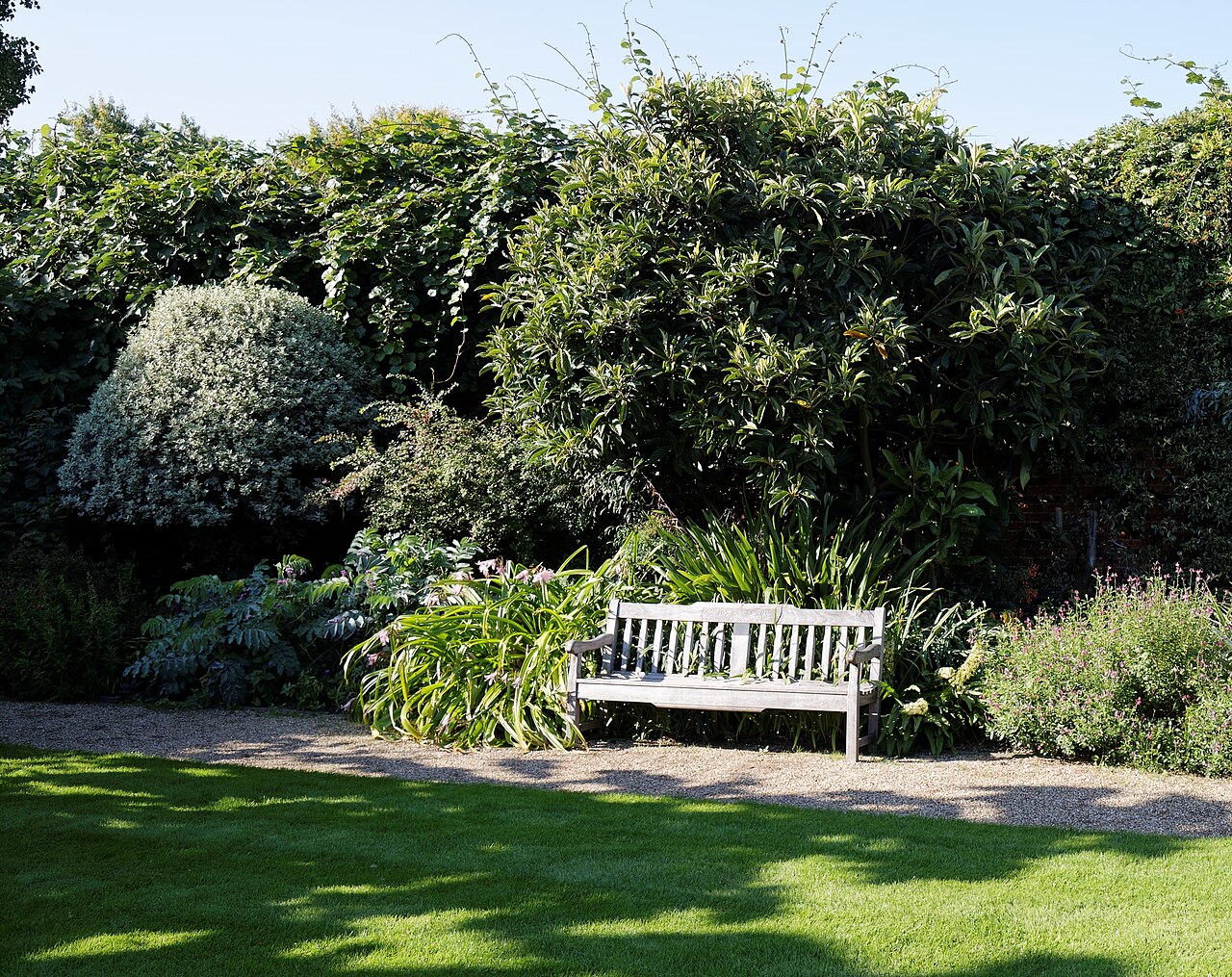
Every summer, usually in late January, I get the same phone call from my cousin over in Bethlehem, Tauranga — the lawn’s gone brown and the veges are cooking in the heat. It’s a fair complaint. The Bay of Plenty gets long, bright, dry stretches and some of the fiercest UV in the country, and a garden that looked lush in October can be gasping by February if the watering’s left to chance. I’ve spent years sorting out garden watering for people around Tauranga, Bethlehem, Papamoa and Mount Maunganui, and the fix is almost never “buy more gear” — it’s understanding what your soil and your sun are doing to the water before you spend a cent on fittings.
Dig a hole before you buy anything
Before any hose or dripper goes in, dig a small hole and have a look at what you’re actually growing in. A lot of the Bay’s residential land sits on free-draining volcanic and sandy soils, and water races straight through them, so a quick daily sprinkle barely gets past the top layer. What works instead is watering less often but properly deep, so moisture sits down where the roots are and the plant is forced to chase it downward. Shallow daily watering trains roots to stay near the surface, which is exactly where the heat and UV punish them hardest come February.
Aspect matters just as much as soil. A bed catching morning sun with afternoon shade will get through summer on a fraction of the water a bed baking in full western sun all afternoon needs. If you’re only walking the garden with a hose once a week, spend that time on the west-facing beds first.
Hand watering, drip line, or micro-sprinkler
You don’t need anything flash, just the right tool for the bed you’ve got. This is roughly how I’d weigh up the common options for a Bay of Plenty section:
| Method | Best suited to | Typical cost (incl. GST) |
|---|---|---|
| Hand watering | Pots and small patches | Free bar the hose — but be honest about whether you’ll keep it up all summer |
| Drip line / soaker hose | Garden beds, veges | $80–$250 for a decent kit |
| Micro-sprinklers | Lawns, dense plantings | $150–$400 for a modest setup |
| Tap timer / controller | Tying any of the above together | $40–$120 |
Drip line is what I install most often in garden beds — it’s my pick because it puts water straight at the roots, wastes almost nothing to evaporation, and keeps the foliage dry, which means less disease pressure. Micro-sprinklers earn their keep on lawns, though you do lose more to evaporation in the heat. Either way, a timer is the cheap part that stops you relying on memory during a busy week.
How often, how much, and the finger test
Water early — first thing in the morning, before the sun’s properly up and before the wind picks up, so it soaks in rather than blowing off or evaporating. Evening watering also gets the job done, but it can leave foliage sitting damp overnight, and with the Bay’s summer humidity that’s an invitation for fungal problems. I lean toward mornings every time.
As a rough guide, most established gardens want a good deep soak two or three times a week during high summer rather than a little every day. Don’t guess — push a finger 50mm down into the soil, and if it’s still dry at that depth, it’s time to water. It’s a five-second check and it’s more reliable than any schedule.
Mulch does more for water use than any gadget I sell or install. A 75 to 100mm layer of bark or straw over the beds cuts evaporation dramatically and keeps the root zone cooler, and it’s the cheapest thing on this whole list. If your main battle is keeping a lawn alive rather than garden beds, the approach shifts a bit — I’ve covered that separately in the piece on getting a lawn through a hot summer.
Restrictions, rain gauges, and not wasting water you don’t have
Most Bay of Plenty councils bring in sprinkler restrictions at some point every summer once demand climbs, and it’s worth knowing the current rules before a neighbour does it for you. The Tauranga City Council site publishes the season’s water restriction status, and in my experience drip irrigation and hand-held hoses are usually still permitted even when fixed sprinklers are banned — another point in favour of drip line if you’re setting up fresh.
A rain gauge, or even an old ice-cream container left out on the lawn, tells you exactly how much nature’s already delivered so you’re not doubling up out of habit. And if you’re on a lifestyle block running off tank water, all of this counts double — every litre you don’t waste in January is a litre you’re not carting in by March.
The questions I get asked most
What’s the best time of day to water a garden in the Bay of Plenty? Early morning, before the sun and wind get going, so the water soaks in rather than evaporating off. It also lets foliage dry out through the day, which cuts down on fungal issues in the region’s summer humidity.
How often should I actually water in a Tauranga summer? A deep soak two or three times a week suits most established gardens better than a light daily sprinkle. The Bay’s free-draining volcanic and sandy soils reward deeper, less frequent watering that pulls roots down rather than keeping them shallow.
Is it worth installing drip irrigation instead of just using a hose? For garden beds, yes. A basic drip line kit runs around $80 to $250 including GST, delivers water straight to the roots with minimal evaporation loss, keeps foliage dry, and generally keeps working even when councils restrict fixed sprinklers.
What mulch should I use to cut down on watering? Bark or straw at 75 to 100mm deep over garden beds is the standard I use — it cuts evaporation substantially and keeps the root zone cooler, for less outlay than any irrigation gear.
Do I need a full irrigation system, or will spot watering by hand do? For a couple of pots or one small bed, hand watering is fine as long as you’re realistic about keeping it up through a busy summer. Once you’ve got multiple beds or a lawn to cover, a drip line or micro-sprinkler setup on a timer saves water and saves the garden when life gets in the way. Terraced beds change that answer, since water runs off a slope before it soaks in — an Auckland retaining wall builder will usually build the irrigation run in while the wall is open.